
Your Guide to Getting Started With Charging Your Electric Vehicle at Home
If you own an electric vehicle, setting up a charging station at home is essential. This step ensures that your car is always ready to go when you are. However, it’s crucial to understand the electrical requirements involved in this process. From choosing the right charger type to ensuring your home’s electrical system can support it, each factor plays a vital role. By getting these elements right, you can efficiently charge your vehicle and extend its lifespan.
Why Choose Home Charging?
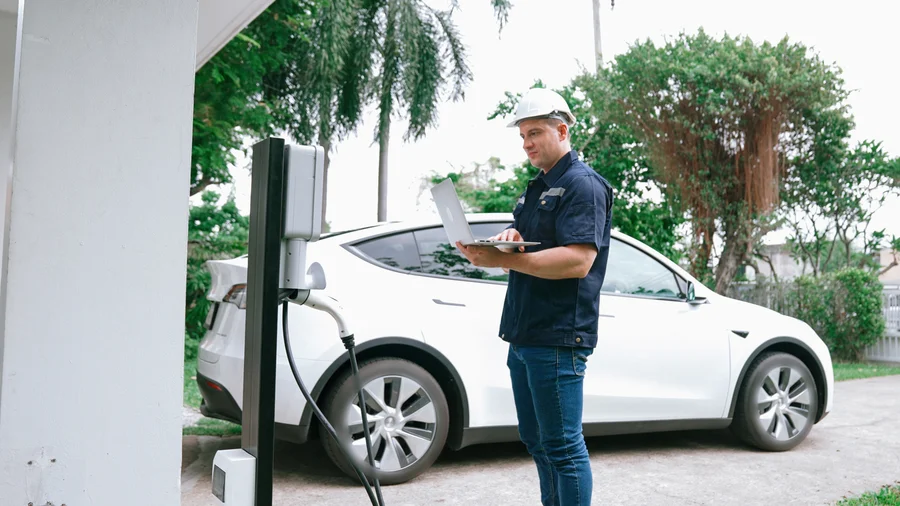
Home charging provides unparalleled convenience for electric car owners. No longer do you need to wait in line at public stations or plan trips around available chargers. With a dedicated setup at home, charging becomes as simple as plugging in overnight. It also tends to be cheaper than using public chargers, saving money over time. Moreover, consistent access allows you to ensure your battery is always topped off.
Key Elements of Electric Car Charger Installation
Electric car charger installation involves several critical components. First, you’ll need a suitable location near your parking area with easy access to your car. Next, consider the type of charger-level 1 or level 2-to match your needs and budget. Level 1 chargers work with standard outlets but charge slowly, while level 2 requires special installation but charges much faster. Ensure that your electric panel can handle the additional load.
Assessing Your Home’s Electrical Capacity
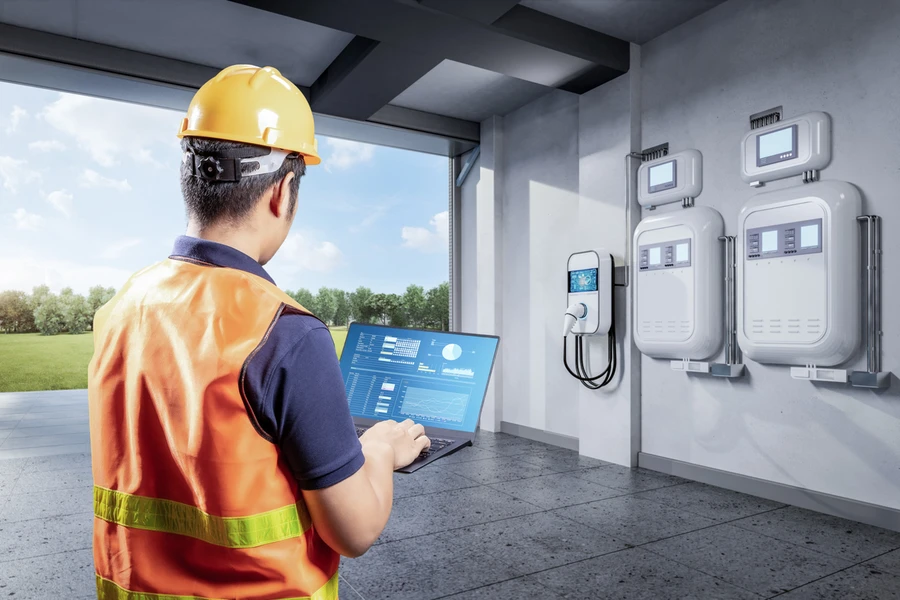
Before proceeding with electric car charger installation, assessing your home’s current electrical capacity is crucial. Older homes may not have enough power capacity for additional loads. An electrician will evaluate your current setup and determine if upgrades like panel enhancements or additional circuits are necessary. It’s important to address these factors to avoid any potential risks or damage.
The Permit Process and Compliance
Installing a car charger isn’t just about hardware; it also involves complying with local regulations. You’ll likely need permits before installation begins. The process typically includes submitting plans and undergoing inspections once the work is complete. Ensuring compliance not only keeps you within legal bounds but also guarantees safety standards are met.
Cost Considerations for Setup
Several factors influence the cost of setting up a charging station at home. These include the price of the charger itself, professional installation fees, and any necessary upgrades to your electrical system. Although upfront costs might seem high, consider the long-term benefits such as increased property value and savings on fuel expenses.
- Select a charger that fits your needs (Level 1 or Level 2)
- Ensure sufficient electrical capacity
- Secure necessary permits
- Consider professional installation for safety
- Factor in potential long-term savings
Tips for a Successful Installation
A successful car charger setup starts with planning. Consult with experienced professionals who understand the intricacies involved. They can offer valuable advice tailored to your specific situation. Always prioritize safety by following guidelines and opting for quality equipment. Lastly, remember that investing in proper maintenance will prolong the life of both your charger and vehicle.
Final Recommendations for Your Home Charger Setup
Embarking on the journey of installing a home car charger? Make sure you follow all steps carefully. Positioned in Littleton, CO, I bring expertise and dedication to ensure everything runs smoothly from start to finish. Reach out today via (303) 747-7992 to learn how Red White & Bright Electrical can assist you in making this transition seamless.