
Identify and Resolve Electrical Problems Efficiently
Dealing with a tripped circuit breaker can be frustrating, but it’s essential to know when you need to consider a circuit breaker replacement. Understanding common circuit breaker issues and how to troubleshoot them can save you time and money. This guide will help you identify frequent problems, provide solutions, and explain when replacement might be necessary.
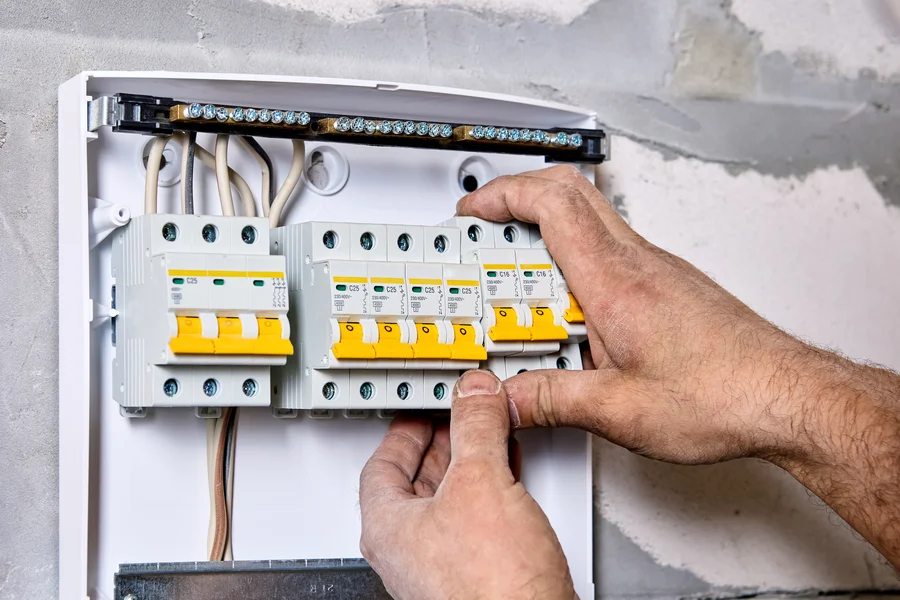
Benefits of Troubleshooting Before Replacement
Troubleshooting circuit breakers before replacing them offers several advantages. Firstly, it can prevent unnecessary costs associated with new parts and professional services. Secondly, by identifying the root cause of the issue, you ensure that similar problems won’t occur again. Finally, understanding your electrical system better allows for more informed decisions about future upgrades or repairs.
Recognizing Common Circuit Breaker Issues
Common circuit breaker issues include frequent tripping, burnt smells near the panel, and visible damage. If your breaker trips often, it may indicate an overloaded circuit or a short circuit somewhere in your system. A burnt smell suggests overheating, which could lead to wiring damage. Visible damage, like scorch marks or rust on the breaker itself, signals wear and possible malfunction. Identifying these signs early helps decide whether you need a circuit breaker replacement.
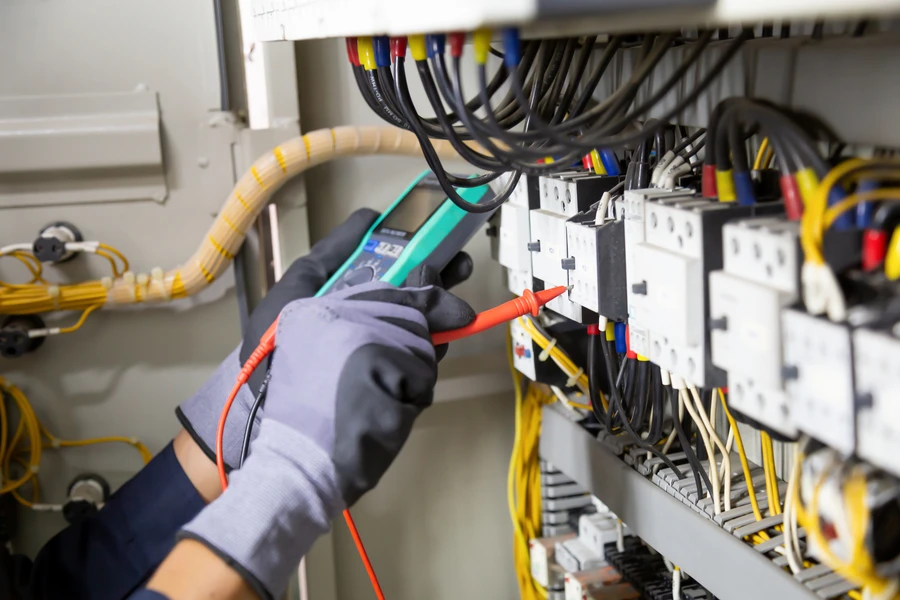
Simple Troubleshooting Steps
Before thinking about a circuit breaker replacement, follow these steps:
- Check appliances: Ensure no device is causing overload by unplugging everything from the affected circuit.
- Inspect wires: Look for frayed or damaged wires that could lead to short circuits.
- Test the breaker: Turn off all electronics on the circuit. Flip the breaker fully off and then back on.
Best Practices for Maintaining Circuit Breakers
Regular maintenance keeps your electrical system safe and efficient. Follow these practices:
- Schedule annual inspections by a licensed electrician to catch potential issues early.
- Label each breaker clearly for easy identification during emergencies.
- Avoid overloading circuits by spreading out appliance usage across different breakers.
Understanding Industry Standards
Circuit breakers must meet specific standards set by organizations like the National Electrical Manufacturers Association (NEMA) and Underwriters Laboratories (UL). These standards ensure safety and reliability. When choosing a replacement, verify compliance with these standards to maintain home safety and insurance requirements.
Cost Considerations for Replacement
The cost of replacing a circuit breaker varies based on factors such as brand, capacity, and labor. While buying higher-quality breakers might be more expensive upfront, they offer longer-term savings due to increased durability. Evaluate the overall value, including energy efficiency and warranty options, when deciding on a purchase.
Your Go-To Guide for Circuit Concerns
If you’re dealing with persistent electrical issues in Littleton, CO, addressing them sooner rather than later is crucial. I recommend troubleshooting steps first to avoid unnecessary expenses. However, if symptoms persist, contact Red White & Bright Electrical for professional evaluation and advice. Call (303) 747-7992 today to resolve your electrical concerns efficiently and safely.